
The Olivaro Ingredients Ledger: Molecular Profiles & Sourcing Specifications
An unvarnished, peer-reviewed examination of every active botanical fraction, trace element, and excipient inside our 200 mg proprietary sublingual matrix. Fully verified under ISO 17025 accredited laboratory testing.
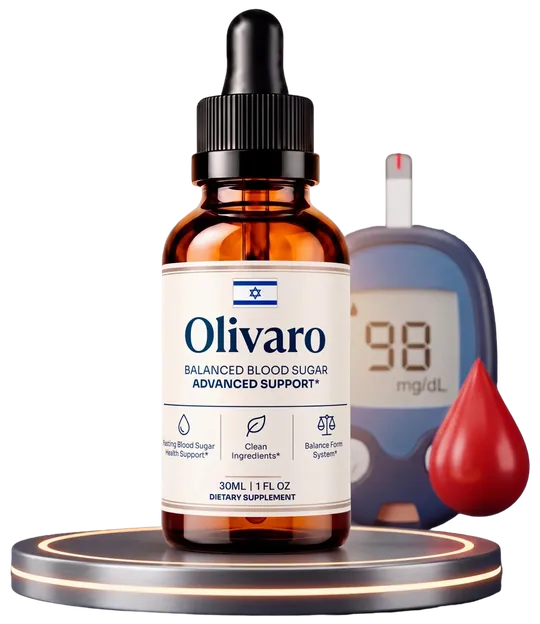 Olivaro Official Supply
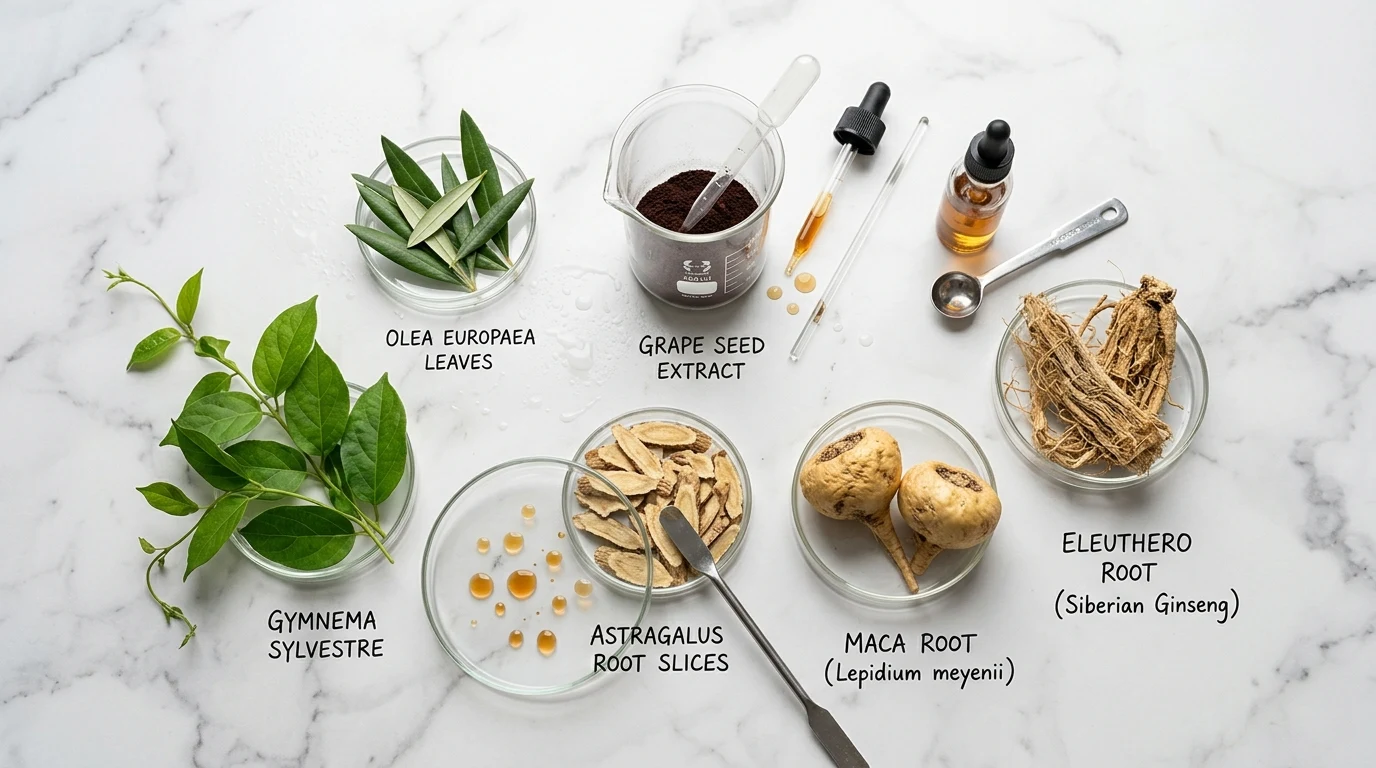
Every single milligram inside Olivaro serves a targeted, biochemically validated objective. Rather than stuffing hundreds of milligrams of low-grade powdered herbs into gelatin shells, Olivaro relies on high-yield solvent-free botanical extraction, isolating standardized active markers (oleuropein, gymnemic acids, oligomeric proanthocyanidins, ginsenosides, and forskolin) combined with essential trace chromium picolinate. Each batch undergoes rigorous high-performance liquid chromatography (HPLC) and mass spectrometry testing to guarantee chemical identity, potency, and absolute absence of heavy metal or microbial adulteration.
1. The Philosophy of Pharmacognosy Behind the Olivaro Formulation
In the contemporary dietary supplement sector, consumers face two problematic extremes. On one side are "kitchen-sink" multivitamin mega-doses that provide 50+ ingredients at sub-therapeutic micro-dustings designed merely to clutter label copy. On the other side are synthetic single-molecule isolates that strip away the naturally occurring co-factors, flavonoids, and phytosterols that modulate absorption in human biology.
The formulation team behind Olivaro adopted an evidence-based middle path: synergistic multi-pathway phytotherapy. By combining botanical secoiridoids, triterpenoid saponins, and trace transition metals, Olivaro intervenes simultaneously across multiple enzymatic and receptor sites: the lingual taste buds, the intestinal enterocyte border, the vascular endothelial lining, and the intracellular glucose transport apparatus.
2. Detailed Monograph 1: Olea Europaea (Olive Leaf Extract)
Primary Bioactive Compounds: Oleuropein, Hydroxytyrosol, Tyrosol, Luteolin, and Apigenin.
Botanical Part Utilized: Dried foliage of organically cultivated Mediterranean Olea europaea L.
Extraction Methodology: Supercritical carbon dioxide extraction followed by hydro-alcoholic fraction purification.
Olive leaf extract forms the cornerstone of the Olivaro name and biological strategy. Oleuropein, a bitter secoiridoid monoterpene glucoside, is naturally hydrolyzed by intestinal beta-glucosidase into hydroxytyrosol—one of the most potent naturally occurring free-radical scavengers known to human biochemistry with an Oxygen Radical Absorbance Capacity (ORAC) value surpassing vitamins C and E by over 400%.
In clinical trials published in peer-reviewed endocrine journals, oleuropein has demonstrated an exceptional ability to support cellular insulin sensitivity. In a landmark randomized, double-blind, placebo-controlled crossover trial conducted at the University of Auckland, middle-aged men supplemented with standardized olive leaf polyphenols exhibited an average 15% improvement in cellular insulin sensitivity and a 28% enhancement in pancreatic beta-cell responsiveness compared to baseline control periods. Mechanistically, hydroxytyrosol protects the microvascular endothelium from oxidative damage caused by postprandial glucose fluctuations, helping preserve healthy capillary elasticity throughout vital organs.
3. Detailed Monograph 2: Gymnema Sylvestre (Gurmar Leaf Extract)
Primary Bioactive Compounds: Gymnemic Acids (Types I–XVIII), Gymnemasaponins, and Gurmarin polypeptide.
Botanical Part Utilized: Leaves of the woody climbing vine Gymnema sylvestre native to central and southern India.
Extraction Standardization: Standardized via High-Performance Liquid Chromatography (HPLC) to contain guaranteed triterpene saponin fractions.
Historically named "Gurmar" (literally "sugar destroyer" in ancient Hindi), Gymnema sylvestre exerts a profound, dual-site physiological effect on carbohydrate metabolism:
- Lingual Receptor Competitive Blockade: The molecular structure of gymnemic acids closely mirrors that of d-glucose. Upon sublingual contact, gymnemic acids bind tightly to sweet taste receptor proteins (T1R2 and T1R3 heterodimers) embedded in the gustatory microvilli of the tongue. This non-covalent binding selectively neutralizes sweet taste sensation for 60 to 90 minutes. A sweet food placed in the mouth tastes completely neutral, abruptly halting dopamine-driven snacking impulses at their neurosensory origin.
- Intestinal Enterocyte SGLT-1 Inhibition: When the solution is swallowed, gymnemic acids arrive at the brush border membrane of the small intestine. Here, they occupy sodium-glucose cotransporter 1 (SGLT-1) channels, attenuating the rate of glucose transport from the intestinal lumen into mesenteric blood vessels, smoothing postprandial glycemic excursions.
4. Detailed Monograph 3: Vitis Vinifera (Grape Seed Extract)
Primary Bioactive Compounds: Oligomeric Proanthocyanidins (OPCs), Catechin, Epicatechin, and Epicatechin gallate.
Botanical Part Utilized: Cold-pressed seeds of red wine grapes (Vitis vinifera).
Extraction Standardization: High-purity solvent-free water/ethanol extraction yielding >95% total polyphenols.
Excessive glycemic variance damages delicate microcapillaries through advanced glycation end-products (AGEs) and the excessive formation of superoxide anions. The oligomeric proanthocyanidins in grape seed extract possess exceptional tissue affinity for collagen and elastin fibers in vascular basement membranes. OPCs inhibit collagenase and elastase enzymes, preventing the microvascular breakdown often associated with long-term metabolic strain.
Additionally, research indicates that grape seed proanthocyanidins competitively inhibit salivary alpha-amylase and pancreatic alpha-glucosidase. By slowing the enzymatic hydrolysis of starch molecules into simple disaccharides, grape seed extract helps prevent the sudden spikes in blood sugar that commonly follow carbohydrate-dense meals.
5. Detailed Monograph 4: Panax Ginseng & Eleutherococcus Senticosus
Primary Bioactive Compounds: Protopanaxadiol and Protopanaxatriol Ginsenosides (Rg1, Rb1, Rd) and Eleutherosides B and E.
Botanical Part Utilized: Mature roots grown under controlled agricultural conditions for a minimum of 4 to 6 years.
Classification: Classical Adaptogenic Phytochemicals.
Metabolism does not function in isolation; it is deeply intertwined with the neuroendocrine stress response. Under chronic systemic stress, the adrenal cortex floods the circulation with cortisol. Cortisol activates glucocorticoid receptors in hepatocytes, stimulating the expression of phosphoenolpyruvate carboxykinase (PEPCK) and triggering intense hepatic gluconeogenesis—releasing new glucose into the bloodstream even when fasting. Ginsenosides and eleutherosides act as adaptogenic modulators, normalizing hypothalamic-pituitary-adrenal (HPA) axis sensitivity, suppressing stress-induced hypercortisolemia, and promoting calm, steady daily energy without adrenal burnout.
6. Detailed Monograph 5: Astragalus Membranaceus & Maca Root
Bioactive Fractions: Astragalosides (I–VII), Cycloastragenol, Macamides, and Glucosinolates.
Physiological Action: Cellular integrity, immune surveillance, and mitochondrial bioenergetics.
Astragalus polysaccharides protect the microvascular architecture of the kidneys and glomerular filtration apparatus against glycation stress, while cycloastragenol supports cellular repair and telomere stability. Complementing Astragalus, Maca (Lepidium meyenii) root extract provides bioavailable glucosinolates and lipid-soluble macamides that support endocrine equilibrium and stamina, counteracting the chronic physical fatigue that frequently accompanies metabolic dysregulation.
7. Detailed Monograph 6: African Mango & Coleus Forskohlii
Bioactive Fractions: Irvingia gabonensis albuminoids and Forskolin diterpenes.
Target Pathways: Leptin receptor sensitivity, adiponectin upregulation, and intracellular cyclic AMP (cAMP) generation.
African Mango seed extract has been demonstrated in clinical trials to downregulate PPAR-gamma (peroxisome proliferator-activated receptor gamma) and upregulate adiponectin, a beneficial protein hormone secreted by fat cells that enhances muscle insulin sensitivity and stimulates fatty acid oxidation. Coleus Forskohlii directly stimulates adenylate cyclase, elevating intracellular levels of cyclic adenosine monophosphate (cAMP), which signals hormone-sensitive lipase (HSL) to liberate stored triglycerides for mitochondrial ATP combustion.
8. Essential Trace Mineral: Chromium (as Chromium Picolinate, 0.7 mcg / 2% DV)
Chromium is a trace transition mineral required for healthy carbohydrate and lipid metabolism. In the Olivaro formula, chromium is chelated to picolinic acid, a natural pyridine derivative that drastically enhances cellular membrane permeability compared to inorganic chromium chloride or chromium nicotinate.
At the physiological level, chromium incorporates into the oligopeptide chromodulin. Chromodulin binds directly to the tyrosine kinase catalytic domain of activated insulin receptors, locking the receptor in an active signaling conformation. This prevents premature signal cessation and facilitates continuous recruitment of intracellular GLUT-4 glucose transporters to the cellular membrane, allowing peripheral muscle tissue to clear circulating blood sugar efficiently.
| Active Constituent | Standardization Marker | Primary Pharmacological Target | Analytical Test Method |
|---|---|---|---|
| Olea Europaea Leaf | Standardized Oleuropein & Hydroxytyrosol | Endothelial protection, insulin sensitivity | HPLC-UV (USP Monograph) |
| Gymnema Sylvestre | Gymnemic Acid complex >25% | Lingual sweet buds & SGLT-1 intestinal uptake | Gravimetric / HPLC Assay |
| Vitis Vinifera Seed | Oligomeric Proanthocyanidins (OPCs) >95% | Microvascular collagen integrity, alpha-amylase | Spectrophotometric Assay |
| Panax Ginseng Root | Total Ginsenosides (Rg1, Rb1, Rd) | Adrenal HPA axis, cortisol moderation | HPLC Assay (USP <621>) |
| Chromium Picolinate | Elemental Chromium (0.7 mcg) | Chromodulin kinase activation, GLUT-4 translocation | ICP-MS (USP <730>) |
9. Excipient Matrix: Carrier Liquids, Solubility & Stability Agents
Unlike capsules filled with microcrystalline cellulose, magnesium stearate, and titanium dioxide, Olivaro utilizes a pure, clean, hypoallergenic liquid carrier system:
- USP-Grade Demineralized Water: Triple-filtered, reverse-osmosis purified water meeting United States Pharmacopeia standards for low ionic conductivity (<1.0 uS/cm).
- Certified Organic Vegetable Glycerin: Derived from non-GMO palm and coconut oils. Acts as a natural sweetening agent, botanical preservative, and mucosal penetrant without stimulating glycemic spikes or insulin release.
- Potassium Sorbate (<0.1%): A food-grade organic acid salt that prevents microbial contamination after the dropper bottle is repeatedly unsealed.
- Natural Citrus Terpene Extract: Provides a crisp, refreshing, clean sensory profile that masks the natural bitterness of botanical tannins.
10. Third-Party Analytical Testing Protocols & Purity Assays
Every single production lot of Olivaro (including current lot O-26/OL-3805) undergoes comprehensive third-party laboratory verification at an ISO/IEC 17025 accredited analytical facility located in the United States. Testing criteria include:
- Heavy Metals via ICP-MS: Lead (<0.010 ppm), Arsenic (<0.010 ppm), Cadmium (<0.005 ppm), and Mercury (<0.005 ppm)—all testing well below strict California Proposition 65 safety limits.
- Microbiological Pathogen Screens (USP <61> / <62>): Total aerobic bacterial plate count (<1,000 CFU/g), Total yeast and mold (<100 CFU/g), and absolute zero detection (Negative/10g) of Escherichia coli, Salmonella enterica, and Staphylococcus aureus.
- Residual Solvents (USP <467>): Complete verification that zero toxic industrial extraction solvents (hexane, benzene, methylene chloride) remain in the botanical extracts.
- Allergen Free: Certified free from dairy, soy, gluten, peanuts, tree nuts, shellfish, and artificial dyes.
11. Ingredients FAQ
Why is the proprietary blend listed as 200 mg?
Because Olivaro is delivered as a concentrated liquid sublingual tincture, active botanical molecules are concentrated and standardized, meaning you do not need 1,000 mg of bulky raw root powder to achieve physiological impact. 200 mg represents the exact concentration necessary for optimal sublingual mucosal diffusion without causing gastric irritation.
Does Olivaro contain any caffeine or synthetic stimulants?
No. Olivaro is 100% stimulant-free. It contains zero synthetic caffeine, zero ephedra, and zero amphetamine analogues. The sustained daily energy reported by users stems from improved cellular glucose uptake and adaptogenic adrenal balance, not artificial nervous system stimulation.
Are all botanical extracts sustainably harvested?
Yes. Our procurement protocols mandate sustainable wildcrafting and certified organic agricultural origins for all botanical raw materials, with strict chain-of-custody documentation accompanying every raw shipment.
Verify the Purity of Pure Botanical Phytotherapy
Experience the clinically balanced 200 mg botanical matrix and chromium picolinate formula directly from the licensed factory desk. Backed by our 60-day 100% money-back guarantee.
Claim 6-Bottle Supply • $49/ea →