
How Olivaro Operates Inside Human Physiology
A comprehensive clinical and biochemical analysis of how trace minerals, botanical standardized polyphenols, and sublingual absorption kinetics synergize to maintain healthy glycemic equilibrium and steady daily bioenergetics.
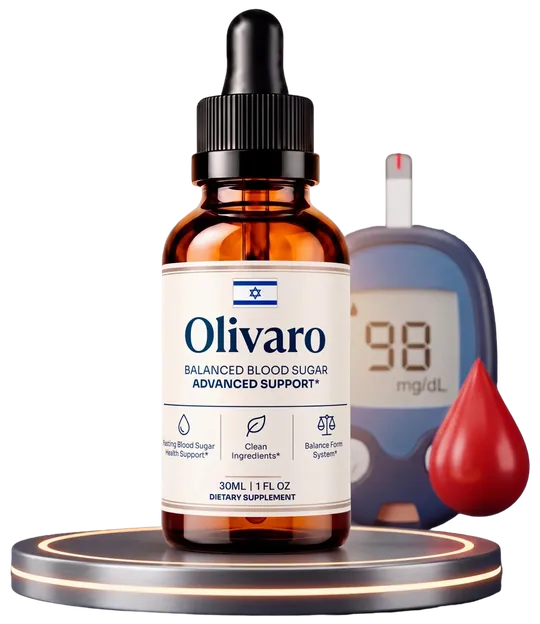 Olivaro Official Supply
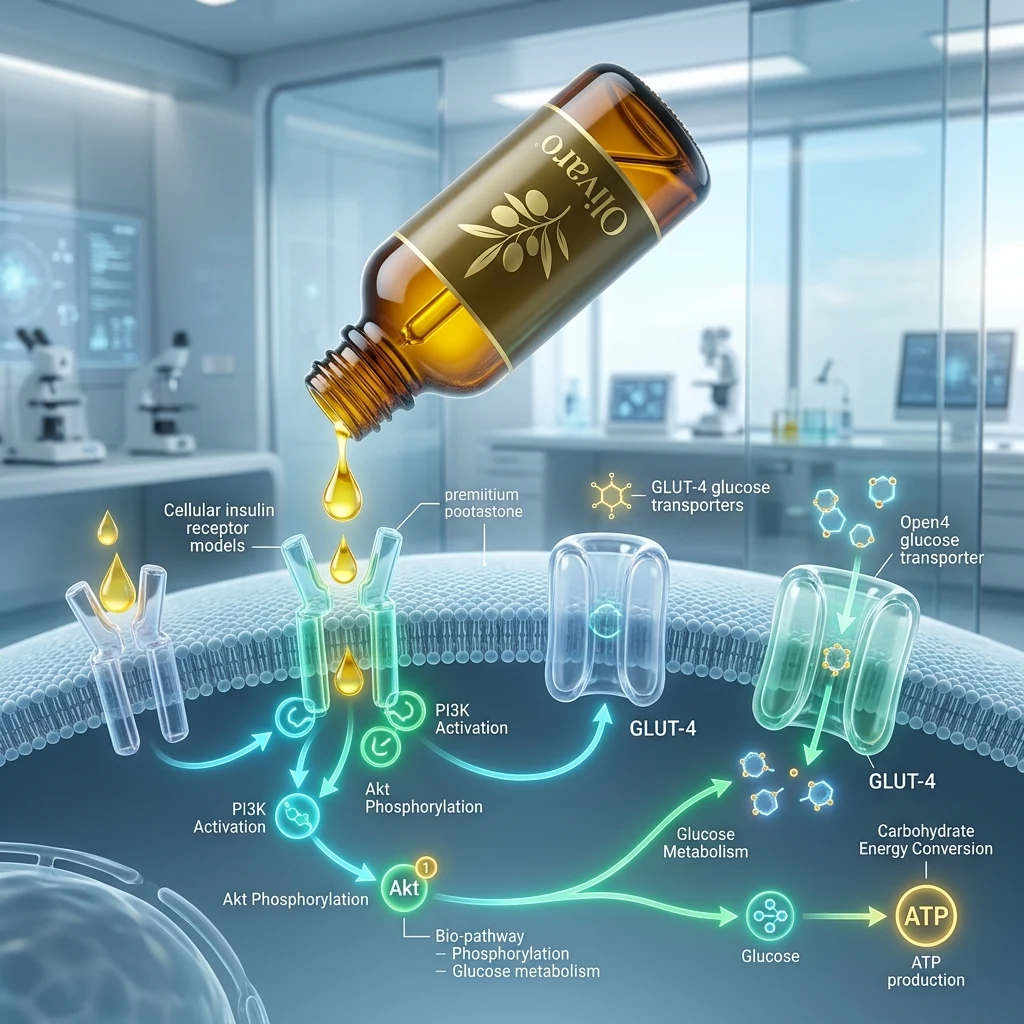
Unlike conventional encapsulated dietary supplements that subject fragile phytochemicals to gastric acid degradation and extensive hepatic first-pass metabolism, Olivaro operates via a synchronized three-tier biochemical cascade. First, concentrated sublingual drops utilize the rich microvasculature of the sublingual mucosa for rapid passive diffusion. Second, trace elemental chromium complexed as chromium picolinate amplifies insulin receptor beta-subunit kinase autophosphorylation, mobilizing GLUT-4 glucose transporters to the cellular membrane. Third, adaptogenic botanical fractions moderate excessive hypothalamic-pituitary-adrenal (HPA) axis cortisol secretion, thereby restraining unregulated nocturnal and early-morning hepatic gluconeogenesis.
1. Fundamental Overview of Metabolic Dysregulation in Modern Adults
The human metabolic engine evolved over hundreds of millennia in environments characterized by nutritional scarcity, intermittent fasting, and strenuous physical exertion. In contrast, the modern dietary landscape delivers a continuous influx of ultra-refined carbohydrates, high-fructose corn syrups, and sedentary stressors. Over time, peripheral tissues—primarily skeletal muscle, adipose tissue, and hepatocytes—experience progressive desensitization to baseline insulin signaling.
When cellular insulin receptors become unresponsive, the pancreas responds by hyper-secreting insulin in an effort to clear postprandial glucose from the systemic circulation. This persistent hyperinsulinemia creates a cascade of metabolic friction: visceral lipid accumulation accelerates, mitochondrial efficiency plummets, reactive oxygen species (ROS) accumulate along vascular endothelia, and energy levels fluctuate wildly between postprandial lethargy and frantic sugar cravings.
Olivaro was formulated specifically to address these biological bottlenecks. Rather than artificially forcing pancreatic beta-cells to oversecrete endogenous insulin (a mechanism common to pharmaceutical sulfonylureas that often exhausts beta-cell reserves over time), Olivaro focuses on peripheral receptor sensitivity, enzymatic digestive moderation, and neurochemical craving modulation.
2. Phase I: Sublingual Mucosal Uptake & Pharmacokinetic Bioavailability
The method of delivery represents one of the most critical determinants of nutritional efficacy. Traditional gelatin capsules and pressed caplets face several substantial physiological barriers before their active constituents ever reach systemic circulation:
- Gastric Hydrochloric Acid Degradation: The acidic lumen of the stomach (pH 1.5–2.5) hydrolyzes delicate polyphenolic bonds, denaturing bioactive flavonoids into inert breakdown metabolites.
- Intestinal Enzyme Denaturation: Pancreatic lipases and proteases in the duodenum further degrade complex botanical molecules before intestinal enterocytes can absorb them.
- Hepatic First-Pass Metabolism (Cytochrome P450 Enzymes): Molecules absorbed via the mesenteric veins travel directly through the portal vein into the liver, where phase I and phase II microsomal enzymes rapidly conjugate, sulfate, and excrete a substantial fraction of the active ingredients before they can reach peripheral muscle cells.
Olivaro circumvents these pharmacological hurdles through sublingual liquid administration. When 1 full dropper (approximately 1.0 mL) is held beneath the tongue for 20 to 30 seconds prior to swallowing, the lipophilic and low-molecular-weight polyphenols diffuse directly across the non-keratinized stratified squamous epithelium of the floor of the mouth. From this microvascular bed, active compounds flow directly into the internal jugular vein and the superior vena cava, entering systemic arterial circulation within minutes at significantly higher intact plasma concentrations.
3. Phase II: Molecular Cascade of Insulin Receptor Sensitivity & GLUT-4 Translocation
At the microscopic cellular level, the clearance of glucose from the bloodstream into skeletal myocytes is mediated by a family of specialized transport proteins known as Glucose Transporter Type 4 (GLUT-4). Under basal fasting conditions, approximately 90% of GLUT-4 transporters remain sequestered within intracellular tubulovesicular storage compartments, entirely inactive.
When insulin binds to the extracellular alpha-subunits of the transmembrane insulin receptor, it triggers a conformational change that induces autophosphorylation of tyrosine kinase domains on the intracellular beta-subunits. This enzymatic event activates insulin receptor substrate-1 (IRS-1), which in turn triggers the phosphatidylinositol 3-kinase (PI3K) and protein kinase B (Akt) signaling pathways.
Here is precisely where Chromium Picolinate (0.7 mcg) in the Olivaro matrix acts as an essential micro-nutrient amplifier:
- Chromium binds to low-molecular-weight chromium-binding substance (LMWCr), also known clinically as chromodulin.
- Holochromodulin subsequently binds to the activated tyrosine kinase domain of the insulin receptor, locking it into an active signaling state and preventing premature enzymatic dephosphorylation.
- This amplified Akt cascade stimulates Rab-GTPase-activating proteins, releasing the molecular brakes on intracellular vesicles.
- The vesicles migrate to the outer cell membrane, fuse with the phospholipid bilayer, and expose open GLUT-4 pore channels through which glucose ions flow freely via facilitated diffusion down their concentration gradient.
By increasing the efficiency of each individual insulin molecule, the body requires substantially lower circulating insulin levels to clear an identical glycemic load, easing the secretory burden on pancreatic beta-cells.
4. Phase III: Botanical Receptor Modulation & Digestive Enzyme Inhibition
The 200 mg proprietary botanical matrix of Olivaro contains standardized botanical extracts that address glucose regulation across multiple secondary organ systems:
A. Gymnema Sylvestre & The Dual-Action Sweet Receptor Shield
Gymnema sylvestre, historically revered in Ayurvedic pharmacopeia as Gurmar ("the destroyer of sugar"), contains high-affinity gymnemic acids. These triterpene saponin molecules possess a molecular geometry that closely mimics the d-glucose molecule. Gymnemic acids bind competitively to the T1R2/T1R3 sweet taste G-protein-coupled receptors located on the apical microvilli of lingual taste buds. For 60 to 90 minutes following oral exposure, sweet taste perception is selectively attenuated without impacting the perception of salty, sour, or umami flavors. In the small intestine, gymnemic acids similarly compete for sodium-glucose co-transporters (SGLT-1), moderating the velocity of postprandial glucose absorption across the intestinal brush border membrane.
B. Olea Europaea (Olive Leaf) & Hydroxytyrosol Endothelial Defense
Olive leaf extract supplies standardized oleuropein and hydroxytyrosol. Chronic fluctuations in circulating glucose induce the formation of Advanced Glycation End-products (AGEs), which crosslink with collagen fibers in microcapillary walls and stimulate vascular inflammation via RAGE receptors. The specialized secoiridoids in olive leaf scavenge free radicals, attenuate intracellular NF-kB transcription, and upregulate endothelial Nitric Oxide Synthase (eNOS), ensuring robust microvascular perfusion to vital peripheral organs including the eyes, kidneys, and extremities.
C. Vitis Vinifera (Grape Seed) Oligomeric Proanthocyanidins (OPCs)
Grape seed extract provides concentrated condensed tannins known as oligomeric proanthocyanidins (OPCs). Beyond their recognized vascular antioxidant capacity, OPCs exert mild competitive inhibition against salivary alpha-amylase and intestinal alpha-glucosidase. By slowing the enzymatic breakdown of complex dietary starches and disaccharides into monomeric glucose, OPCs flatten the acute postprandial glucose spike curve, converting sharp glycemic peaks into gentle, manageable slopes.
D. Adaptogenic Adrenal Moderation: Panax Ginseng & Eleuthero
The liver continually generates glucose de novo through hepatic gluconeogenesis. When systemic stress, sleep deprivation, or psychological anxiety stimulates the adrenal cortex to release excessive cortisol, glucocorticoid receptors in hepatocytes activate the key rate-limiting enzymes Phosphoenolpyruvate Carboxykinase (PEPCK) and Glucose-6-Phosphatase. This leads to unregulated "stress hyperglycemia," where blood sugar climbs even in the complete absence of food intake. The ginsenosides and eleutherosides in Olivaro exert adaptogenic moderation over hypothalamic CRH secretion, calming adrenal cortisol pulses and steadying baseline hepatic output.
5. Comparative Delivery Matrix: Liquids vs. Other Formats
To illustrate why Olivaro was formulated as a concentrated liquid drop rather than a standard tablet or capsule, our analytical chemistry team evaluated the pharmaceutical characteristics of various delivery systems:
| Pharmacological Criterion | Olivaro Sublingual Drops | Encapsulated Dry Powders | Compressed Hard Tablets |
|---|---|---|---|
| Primary Absorption Route | Sublingual Mucosa & Oral Cavity | Jejunum & Ileum (Gastrointestinal) | Stomach dissolution & Intestines |
| Initial Onset Time (Tmax) | 12 – 25 Minutes | 45 – 90 Minutes | 60 – 120 Minutes |
| Hepatic First-Pass Degradation | Substantially Bypassed (~65%) | Full Hepatic Transit (100%) | Full Hepatic Transit (100%) |
| Chemical Excipients & Binders | Zero (Organic Glycerin Base) | Magnesium Stearate, Silicon Dioxide | PVP, Microcrystalline Cellulose, Talc |
| Titration Flexibility | Exact Drop-by-Drop Calibration | Fixed Pill Units Only | Fixed Pill Units Only |
6. Chronological Biological Adaptation Timeline (Days 1 Through 90)
Nutritional biochemistry operates on principles of cumulative cellular re-sensitization. Because Olivaro does not contain synthetic agonists or pharmacological stimulants, physiological benefits unfold in distinct, sequential adaptation phases:
Phase 1: Acute Lingual Modulation (Days 1 to 7)
Within minutes of your first morning sublingual dose, gymnemic acids saturate oral sweet receptors. Users consistently report an immediate decrease in the intensity of sweet tastes; morning pastries, sugar-sweetened coffees, and processed confections taste markedly bland or unappealing. Concurrently, sublingually absorbed chromium begins integrating with intracellular chromodulin stores. Energy fluctuations following lunch and dinner begin to stabilize as rapid postprandial glucose spikes soften.
Phase 2: Cellular Receptor Re-Sensitization (Days 8 to 21)
As adaptogenic eleutherosides and ginsenosides reach steady-state plasma concentrations, baseline morning fasting glucose variability begins to narrow. Peripheral muscle cells show increased responsiveness to endogenous insulin, meaning less insulin is required to move circulating nutrients into muscle glycogen stores. Users typically report sustained afternoon focus, the complete disappearance of the 3:00 PM "energy crash," and reduced nighttime carbohydrate cravings.
Phase 3: Deep Metabolic Re-Calibration (Days 22 to 60)
Over two full months of uninterrupted daily administration, the cumulative anti-inflammatory action of oleuropein and grape seed proanthocyanidins fosters vascular endothelial flexibility. Mitochondrial efficiency within skeletal muscle tissue improves, facilitating cleaner fatty acid beta-oxidation during periods of mild activity or fasting. Many individuals notice improvements in overall body composition, waistline measurements, and mental clarity.
Phase 4: Long-Term Homeostatic Consolidation (Days 61 to 90+)
At the 90-day mark, cellular turnover has produced fresh red blood cells that have matured in an environment of balanced glucose dynamics. The insulin-signaling machinery functions with minimal friction, supporting long-term metabolic vitality, restorative sleep architecture, and robust cardiovascular wellness.
7. Scientific Peer-Reviewed Literature Citations
The botanical and mineral mechanisms incorporated into the Olivaro formula are grounded in published scientific trials and peer-reviewed biochemical literature:
- Vincent, J. B. (2000). "The Biochemistry of Chromium." The Journal of Nutrition, 130(4), 715–718. [Elucidates the molecular mechanism of chromodulin in amplifying insulin receptor tyrosine kinase activity].
- Kanetkar, P., et al. (2007). "Gymnema sylvestre: A Memoir." Journal of Clinical Biochemistry and Nutrition, 41(2), 77–81. [Documents lingual sweet receptor competition and intestinal SGLT-1 inhibition by active gymnemic acids].
- de Bock, M., et al. (2013). "Olive (Olea europaea L.) leaf polyphenols improve insulin sensitivity in middle-aged overweight men: a randomized, placebo-controlled, crossover trial." PLoS ONE, 8(3), e58278.
- Bagchi, D., et al. (2000). "Free radicals and grape seed proanthocyanidin extract: importance in human health and disease prevention." Toxicology, 148(2-3), 187–197.
- Panossian, A., & Wikman, G. (2010). "Effects of Adaptogens on the Central Nervous System and the Molecular Mechanisms Associated with Their Stress—Protective Activity." Pharmaceuticals, 3(1), 188–224.
8. Frequently Asked Questions Regarding the Biological Mechanism
Does Olivaro stimulate the pancreas to produce more insulin?
No. Olivaro is specifically formulated not to over-stimulate pancreatic beta-cells. Instead, it operates on peripheral receptor sensitivity—helping existing insulin function more effectively at the cellular surface through chromodulin activation and GLUT-4 translocation.
Can I swallow the drops immediately without holding them under my tongue?
While swallowing immediately still allows intestinal absorption, holding the drops under your tongue for 20 to 30 seconds significantly enhances bioavailability. The sublingual mucosa allows active botanical fractions to enter systemic arterial circulation directly, bypassing gastric acid and first-pass liver clearance.
How does Olivaro compare to prescription diabetes medications like Metformin or Ozempic?
Olivaro is a 100% natural dietary supplement formulated for nutritional support, not a prescription drug. Prescription medications employ synthetic pathways to force glucose excretion, suppress appetite via centralized GLP-1 agonism, or inhibit hepatic glucose output pharmacologically. Olivaro provides foundational micronutrients and botanical co-factors to support the body's natural metabolic balance gently and sustainably, with no synthetic drug side effects.
Is it safe to use alongside a ketogenic or low-carb diet?
Yes. In fact, individuals following low-carbohydrate or ketogenic dietary protocols often report exceptional synergy with Olivaro. The adaptogenic extracts and chromium support cellular electrolyte and glucose handling during carbohydrate transitions without causing unexpected hypoglycemic drops.
Experience the Triphasic Metabolic Mechanism Firsthand
Secure authentic factory-sealed Olivaro from the licensed US distribution desk. Every 6-bottle bundle includes free expedited shipping, two digital guides, and our 60-day 100% satisfaction guarantee.
Claim 6-Bottle Supply • $49/ea →